
 BG
BG  BY
BY  CY
CY  CZ
CZ  DE
DE  EE
EE  ES
ES  GR
GR  HU
HU  IS
IS  IT
IT  LT
LT  LV
LV  MY
MY  PL
PL  PT
PT  RO
RO  SK
SK  TR
TR  UA
UA  USA
USA Bresser Messier NT-150S/750 Hexafoc Optical Tube
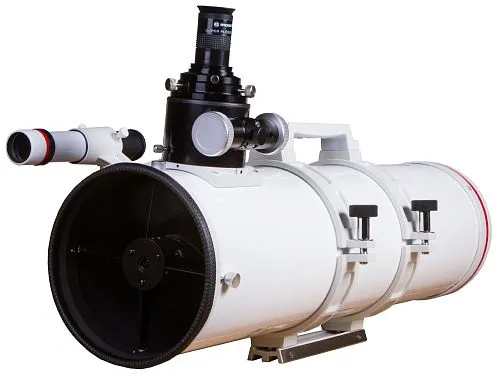
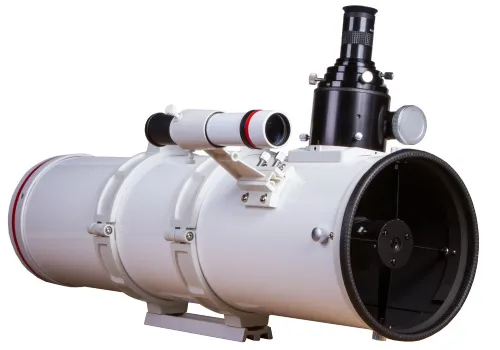
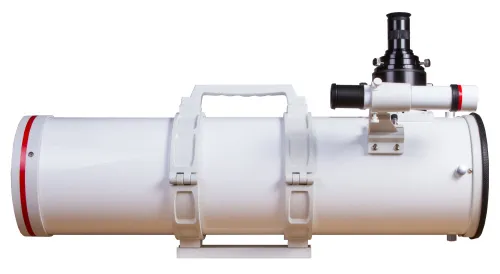
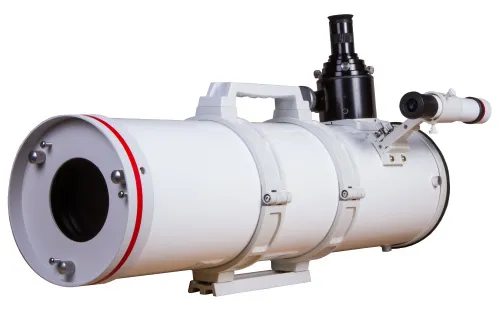
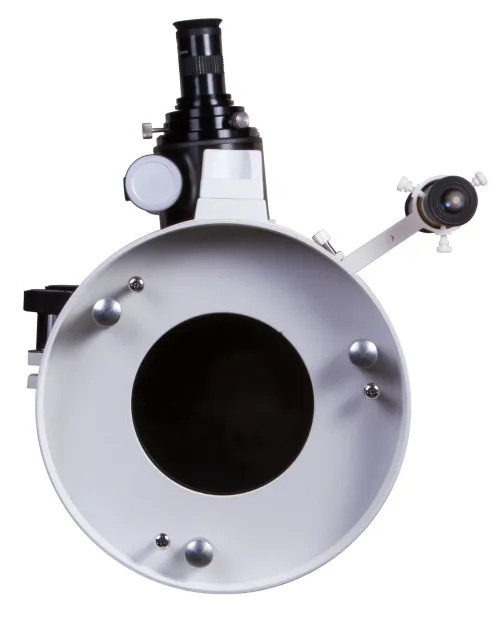
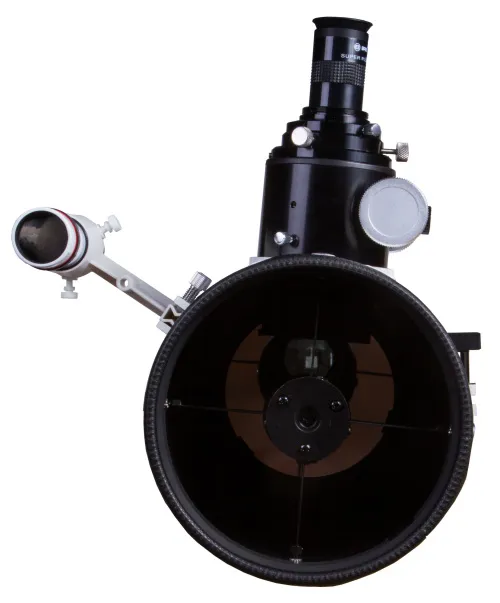
Reflector telescope. Mirror diameter: 150 mm. Focal length: 750 mm
| Product ID | 73785 |
| Brand | Bresser GmbH, Germany |
| Warranty | 2 years |
| EAN | 4007922194622 |
| Package size (LxWxH) | 91x36x33 cm |
| Optical design | reflector |
The Bresser Messier N-150s excels with tack-sharp parabolic optics. The 150mm aperture enables you to observe bright nebulas in the depth of space. Find the remnants of a gigantic stellar explosion from the year 1054 in the Taurean constellation, or scan the glowing bands of the great Orion Nebula. Detect the famous Whirlpool Galaxy in the Big Dipper or find the Dumpbell-Nebula in the constellation Vulpecula (little fox).
This telescope is only an optical tube without mount and tripod.
Please note: Reflector telescopes with optical design Newton are very good for astronomical observing at the starry night sky. But these telescopes are not well usable for observing landscape and nature during daylight. Therefore we suggest Bresser refractor (lens) telescopes for landscape and nature observing.
Key features:
- Optical design: reflector telescope
- Mirror diameter: 150 mm / focal length: 750 mm / F/5
- Maximum recommended magnification: 300x
- Telescope for night and solar observation
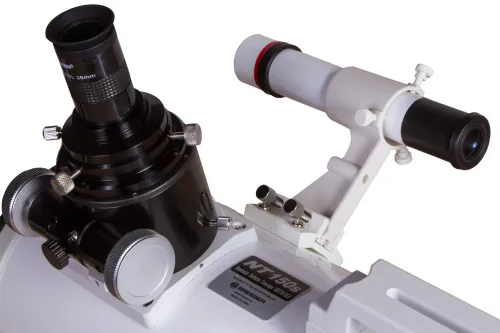
- Very high quality Hexafoc focuser with 2,5'' free inner diameter
- Diffraction limited optics with parabolic main mirror
- 6x30 straight through viewfinder with reticle
- Optimized finder socket for comfortable use
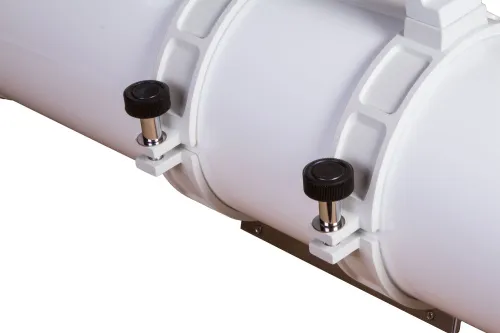
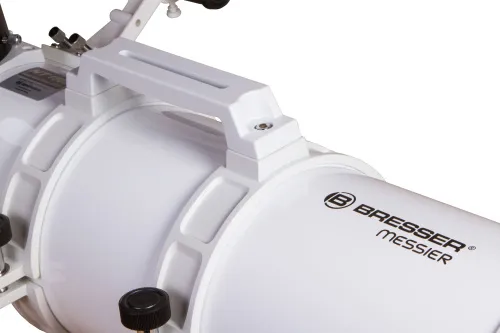
- Cradle rings with handle and integrated piggyback camera holder (1/4 thread)
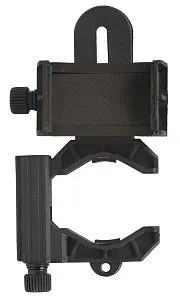
- Smartphone adapter for celestial navigation included
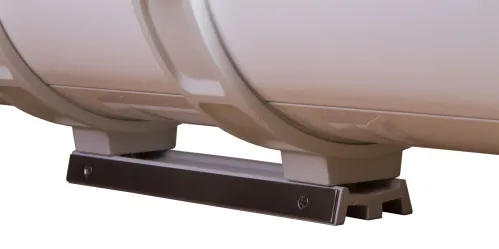
- Dovetail plate with stainless steel rail
- 50,8 mm (2) to 31,7 mm (1,25) adapter with integrated T2 thread (T2-adapter ring for your camera is needed)
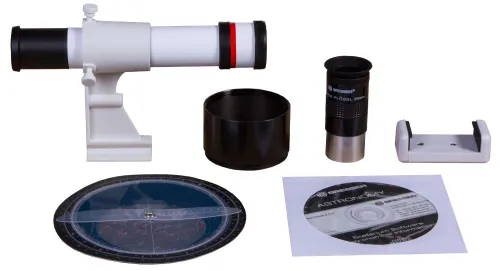
The kit includes:
- Optical tube
- 26mm Super Plössl eyepiece (31.7 mm / 1.25'')
- Integrated 31.7 mm and T2 adapter
- Prism rail with stainless steel clamping surface
- Adapter for 50.8 mm (2'' eyepieces)
- 6x30 optical viewfinder
- Rotatable star map
- Aperture solar filter
- Tube clamp with handle and camera holder
- Smartphone adapter for celestial navigation
- Astronomy PC software Stellarium (via download)
| Product ID | 73785 |
| Brand | Bresser GmbH, Germany |
| Warranty | 2 years |
| EAN | 4007922194622 |
| Package size (LxWxH) | 91x36x33 cm |
| Optical design | reflector |
| Optical scheme | Newtonian |
| Primary mirror diameter (aperture), mm | 150 |
| Lens (mirror) shape | parabolic |
| Focal length, mm | 750 |
| Highest practical power, x | 300 |
| Aperture ratio | f/5 |
| Resolution threshold, arcseconds | 0.86 |
| Eyepieces | SUPER Plössl 26mm |
| Eyepiece barrel diameter, in | 1.25/2 |
| Finderscope | optical, 6x30 |
| Focuser | Rack-and-pinion, Hexafoc with 2.5" aperture |
| Optical tube mounting mode | fastening rings |
| Optical tube material | aluminum |
| User level | experienced users |
| Assembly and installation difficulty level | easy |
| Observed object | deep-sky objects |
Convenient diagrams that describe how to install additional accessories on refractors and catadioptric telescopes
Find out how to assemble a telescope on an example of the Levenhuk Skyline 90x900 EQ telescope
This short guide will help you avoid typical mistakes and learn more about telescope and mounting types
The basics of astronomical observations for beginners
In this article we have gathered answers to some of the most frequently asked questions about telescopes
How telescopes work?
You can actually perform observations from your balcony!
All about telescope sizes, types, magnification, and mounts
Learn how to set up and use the telescope properly
Astronomy in light-polluted skies. Find out what you can observe in the city
Read an interesting comprehensive article on telescopes for little astronomers
Celestial objects you can observe with telescopes of different apertures
Colored and vivid images of galaxies, planets and star clusters entrance everyone who is fascinated by boundless space
Find an interesting review on the history of the changes to a refracting telescope
To make the process of choosing a telescope easier, we will tell you about the characteristics of the most popular types of telescopes today
Learn everything you need to know about refractor telescopes to make the right choice