
 BG
BG  BY
BY  CY
CY  CZ
CZ  DE
DE  EE
EE  ES
ES  GR
GR  HU
HU  IS
IS  IT
IT  LT
LT  LV
LV  MY
MY  PL
PL  PT
PT  RO
RO  SK
SK  TR
TR  UA
UA  USA
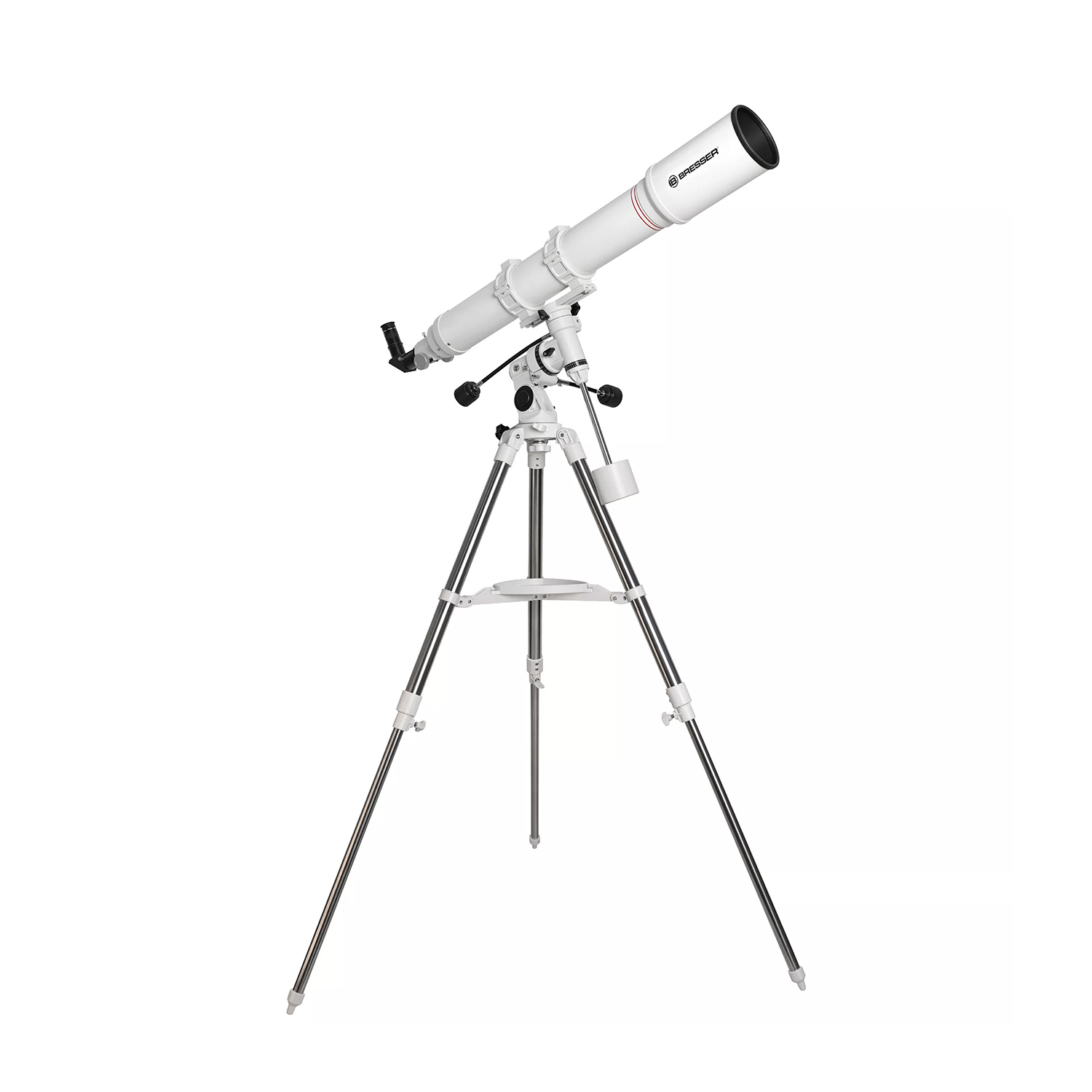
USA Bresser First Light AR-102/1000 Telescope
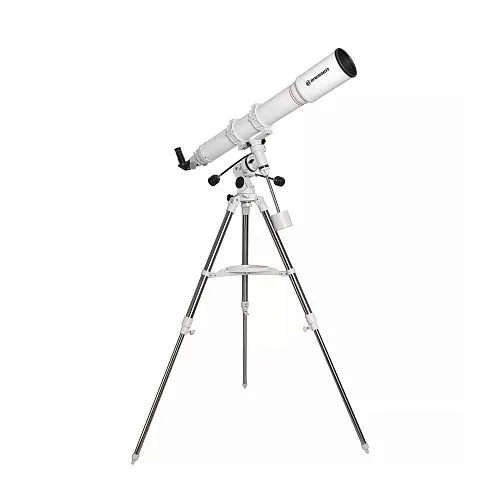
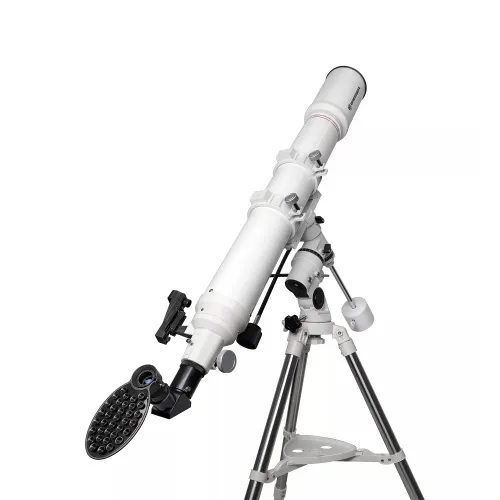
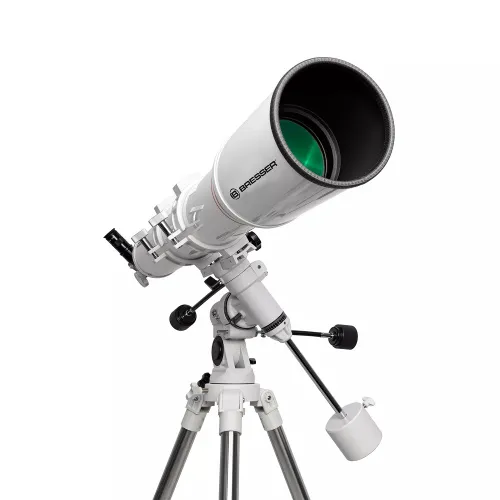
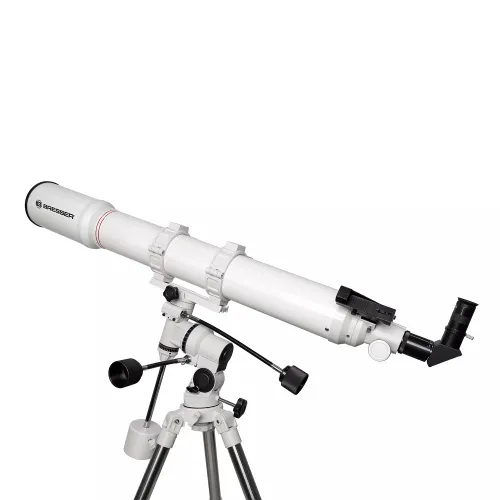
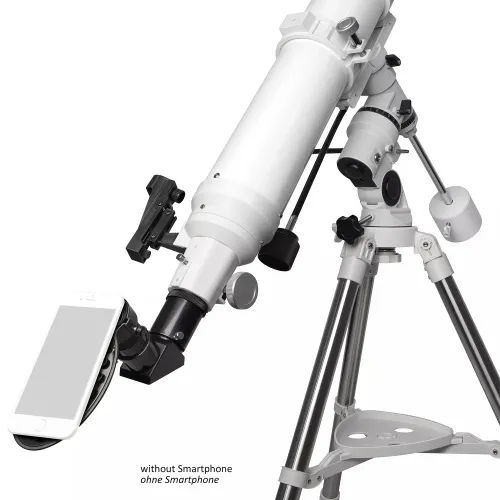
Achromatic refractor. Objective lens diameter: 102mm. Focal length: 1000mm
| Product ID | 80811 |
| Brand | Bresser GmbH, Germany |
| Warranty | 2 years |
| EAN | 4007922068213 |
| Package size (LxWxH) | 100x100x170 cm |
| Optical design | refractor |
The Bresser First Light AR-102/1000 telescope is ideal for both ambitious beginners and experienced astronomers.
Discover the stunning features of Orion Nebula, which is located at a distance of 1500 light years (14,200,000,000,000 km) from earth!
The stable mount keeps the telescope stable, even at higher magnifications. Thanks to the high-quality mechanics, you can take your own photos of the moon and marvel at the dividing line between night and day (terminator).
The refractor telescope features an equatorial mount (also called a parallactic mount). Thanks to this two-axis mechanism, it is possible to compensate for the rotation of the earth, enabling you to precisely track your desired celestial object.
The telescope also comes with a wide range of accessories for exploring the night sky, including a prism for an upright and laterally correct image.
Key features:
- High-quality achromatic refracting telescope
- Diameter: 102 mm; focal length: 1000 mm f/9.8
- EQ-3 equatorial mount
- Height-adjustable tripod with accessory shelf
- Made primarily of metal
- Excellent focuser
- Prism for an upright and laterally correct image
- Includes wide range of accessories
The kit includes:
- First Light AR-102/1000 optical tube
- EQ3 mount
- Tripod with accessory shelf
- 2 eyepieces (PL10 & PL25)
- LED red dot finder
- 90° upright prism
- 3x Barlow lens
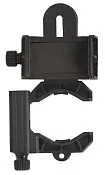
- Smartphone holder
| Product ID | 80811 |
| Brand | Bresser GmbH, Germany |
| Warranty | 2 years |
| EAN | 4007922068213 |
| Package size (LxWxH) | 100x100x170 cm |
| Optical design | refractor |
| Optical scheme | achromat |
| Objective lens diameter (aperture), mm | 102 |
| Focal length, mm | 1000 |
| Magnification, x | 40 — 200 |
| Eyepieces | 10mm, 25mm |
| Barlow lens | 3x |
| Finderscope | red dot, LED |
| Tripod | stainless steel |
| Mount | equatorial, German |
| Optical tube material | aluminum |
| User level | beginners, experienced users |
| Observed object | deep-sky objects, planets of the Solar System and deep-sky objects |
and downloads
Convenient diagrams that describe how to install additional accessories on refractors and catadioptric telescopes
Find out how to assemble a telescope on an example of the Levenhuk Skyline 90x900 EQ telescope
This short guide will help you avoid typical mistakes and learn more about telescope and mounting types
The basics of astronomical observations for beginners
In this article we have gathered answers to some of the most frequently asked questions about telescopes
How telescopes work?
You can actually perform observations from your balcony!
All about telescope sizes, types, magnification, and mounts
Learn how to set up and use the telescope properly
Astronomy in light-polluted skies. Find out what you can observe in the city
Read an interesting comprehensive article on telescopes for little astronomers
Celestial objects you can observe with telescopes of different apertures
Colored and vivid images of galaxies, planets and star clusters entrance everyone who is fascinated by boundless space
Find an interesting review on the history of the changes to a refracting telescope
To make the process of choosing a telescope easier, we will tell you about the characteristics of the most popular types of telescopes today
Learn everything you need to know about refractor telescopes to make the right choice